As global student mobility continues to evolve, significant policy changes in key study destinations—namely the United States, United Kingdom, Canada, Australia, and New Zealand—are reshaping how international students plan their education abroad. These updates reflect shifting immigration priorities, labor market needs, and policy reforms aimed at enhancing integrity and sustainability in education systems.
This report outlines major changes in visa policies, post-study work rights, institutional requirements, and their implications for students, parents, education consultants, and higher education institutions.
United States (USA)
Key Policy Updates:
- The F-1 student visa application fee has been updated to USD $185.
- A new “Integrity Fee” of USD $250 is expected to be introduced in late 2025 to support compliance monitoring.
- In-person visa interviews remain mandatory, with additional scrutiny on social media history and digital footprint.
- The grace period following Optional Practical Training (OPT) has been reduced to 60 days.
- Ongoing discussions suggest a potential rollback of the OPT program, which could impact future cohorts.
Implications:
- The increased financial and procedural burden may deter cost-sensitive applicants.
- Students must now allocate additional time for documentation and interview preparation.
- Consultants should emphasize transparent financial planning and early application timelines.
- Institutions may observe a shift in applicant demographics based on affordability and work rights.
United Kingdom (UK)
Key Policy Updates:
- The standard student visa fee has increased to GBP £524 (as of April 2025).
- The Immigration Health Surcharge now stands at GBP £776 per year.
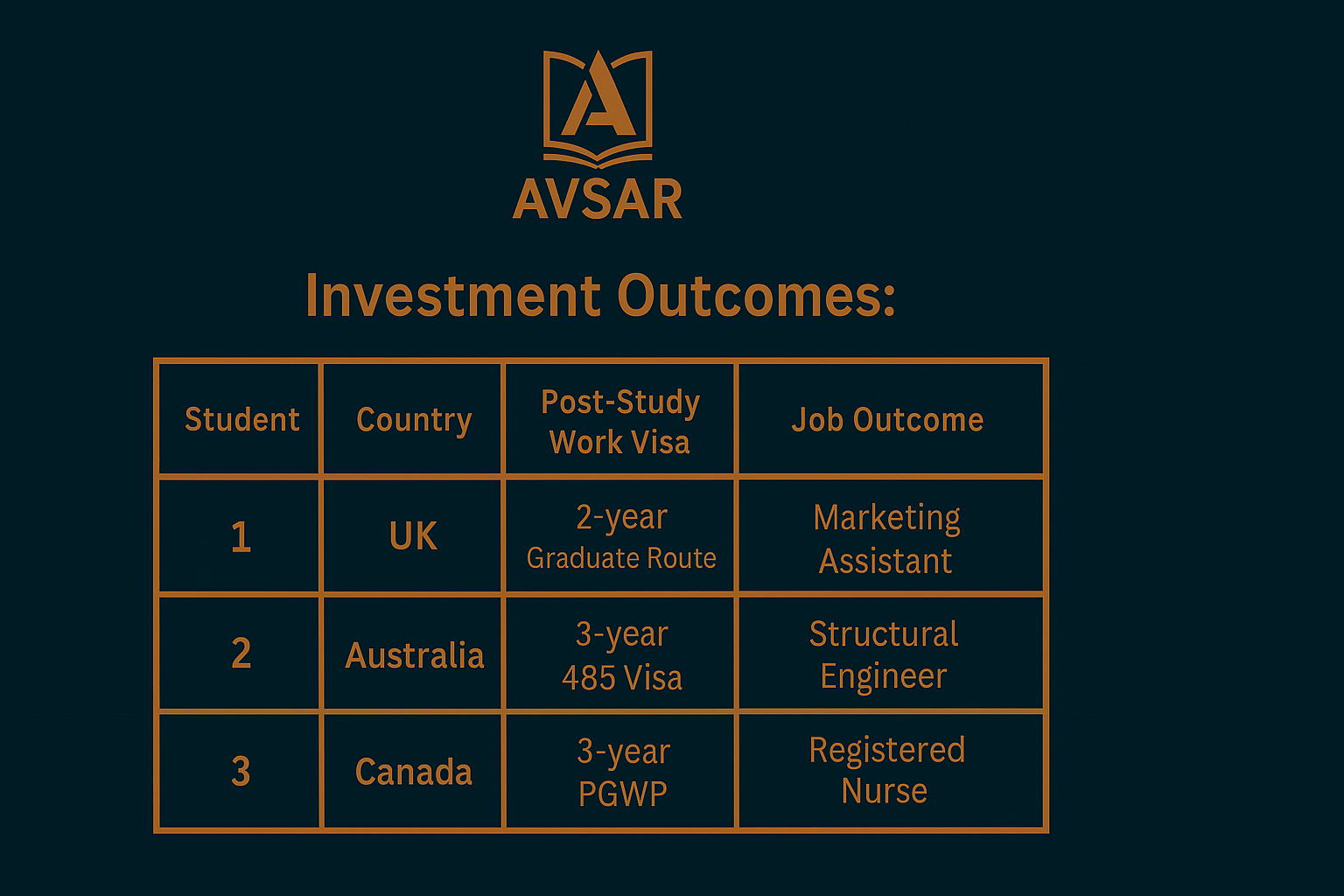
- The Graduate Route may be reduced from 2 years to 18 months for most undergraduate and master’s programs; PhD graduates retain 3 years.
- Enhanced financial documentation checks and increased credibility interviews.
Implications:
- The UK remains attractive but is facing scrutiny over post-study work policy changes.
- Universities must clarify program eligibility for the Graduate Route.
- Agents must be vigilant about changes in course compliance and financial assessment criteria.
- Families should budget conservatively given the rise in upfront and living costs.
Canada
Key Policy Updates:
- Canada has introduced a nationwide student visa cap. Only approximately 437,000 new study permits will be issued in 2025.
- Applicants must now obtain a Provincial Attestation Letter (PAL) before submitting visa applications.
- Post-Graduation Work Permit (PGWP) eligibility will be program- and province-specific.
- The visa application fee remains CAD $150.
Implications:
- Institutions in provinces with strong job markets will remain in high demand.
- Agents need to develop deeper knowledge of provincial policies.
- Students may face greater competition for limited seats.
- Visa refusals could increase due to the cap, prompting the need for stronger applications.
Australia
Key Policy Updates (as of August 4, 2025):
- Student visa application fees rose to AUD $2,000 by July 2025.
- Post-study work rights are restricted to students under the age of 35.
- Post-study work duration ranges from 2–3 years depending on qualification.
- Work rights during study remain capped at 48 hours per fortnight.
- Secondary applicants incur substantial additional visa fees.
- Australia has officially capped 2025 international student commencements at 270,000.
- A new cap of 295,000 for 2026 has been announced, with two-thirds of placements reserved for universities and one-third for vocational education providers.
- Allocation of placements will prioritize institutions with strong compliance, adequate housing infrastructure, and regional representation.
- Increased focus on students from Southeast Asia to diversify enrolments.
Implications:
- Australia is reinforcing quality and sustainability in its international education sector.
- Institutions must comply with tighter housing and enrolment standards.
- Students should apply early and choose institutions with good standing and compliance records.
- Consultants need to monitor cap availability and advise accordingly, especially for 2026 planning.
New Zealand
Key Policy Updates:
- Visa application fee is NZD $750.
- From November 2025, students may work up to 25 hours per week during term time (previously 20).
- New academic integrity protocols are being enforced, particularly around AI-generated content and plagiarism.
- Post-study work rights are now subject to qualification levels and institution accreditation.
Implications:
- A focus on quality and academic rigor is central to New Zealand’s education strategy.
- Students must be educated on academic honesty and ethical conduct.
- Education providers and agents must ensure that applicants understand institutional policies on compliance.
Final Observations
Across all destinations, international education policy in 2025 is becoming more structured, regulated, and aligned with long-term migration strategies. While this adds complexity to student mobility, it also raises quality benchmarks in global education.
Recommendations for Stakeholders:
- Students: Begin preparations early, maintain academic integrity, and choose programs with clear career trajectories.
- Parents: Anticipate rising financial obligations and stay engaged in the planning process.
- Agents and Consultants: Stay updated with policy shifts, verify institution credibility, and guide applicants with transparency.
- Institutions: Invest in timely communication with agents and prospective students, especially regarding compliance and post-study work options.
For accurate advice and application support, connect with an authorized education consultant who understands the evolving dynamics of international education in 2025.