
Sending a child abroad for higher education is one of the most emotional and important decisions a parent can make. It’s not just about choosing the right course or university—it’s about preparing your child (and yourself) for a life-changing journey. In Nepal, where family is deeply rooted in every major life decision, the role of parents is not only supportive but also transformative.
At Avsar, we believe parents are essential partners in shaping their children’s global future. Here’s how you can play an empowered, informed, and nurturing role when your child plans to study abroad.
1. Why Parental Involvement Matters
Studying abroad brings immense opportunities—academic excellence, global exposure, cultural exchange—but it also comes with challenges like homesickness, financial management, and cultural adjustment.
This is where you, as a parent, play a vital role:
- Offering emotional security in times of doubt.
- Helping your child make informed decisions.
- Ensuring realistic planning and responsible preparation.
Your involvement can make the process smoother, more organized, and emotionally balanced.
2. Key Roles Parents Play in the Journey
a) Emotional Backbone
Moving abroad can be overwhelming. Encourage your child to open up about fears or excitement. Create a supportive space where they can discuss challenges, confusion, or anxiety without fear of judgment. Your belief in them can boost their confidence more than you know.
b) Financial Planning Partner
Higher education abroad requires smart financial planning. Sit together and:
- Review tuition fees, living expenses, visa costs.
- Explore scholarships, part-time work opportunities, and education loans.
- Teach budgeting habits that they can carry with them abroad.
Involving your child in financial discussions helps them become more responsible and aware.
c) Research Companion
The sheer number of countries, universities, and courses can be overwhelming. Assist them in shortlisting options based on:
- Career goals
- Safety and lifestyle
- Return on investment (ROI)
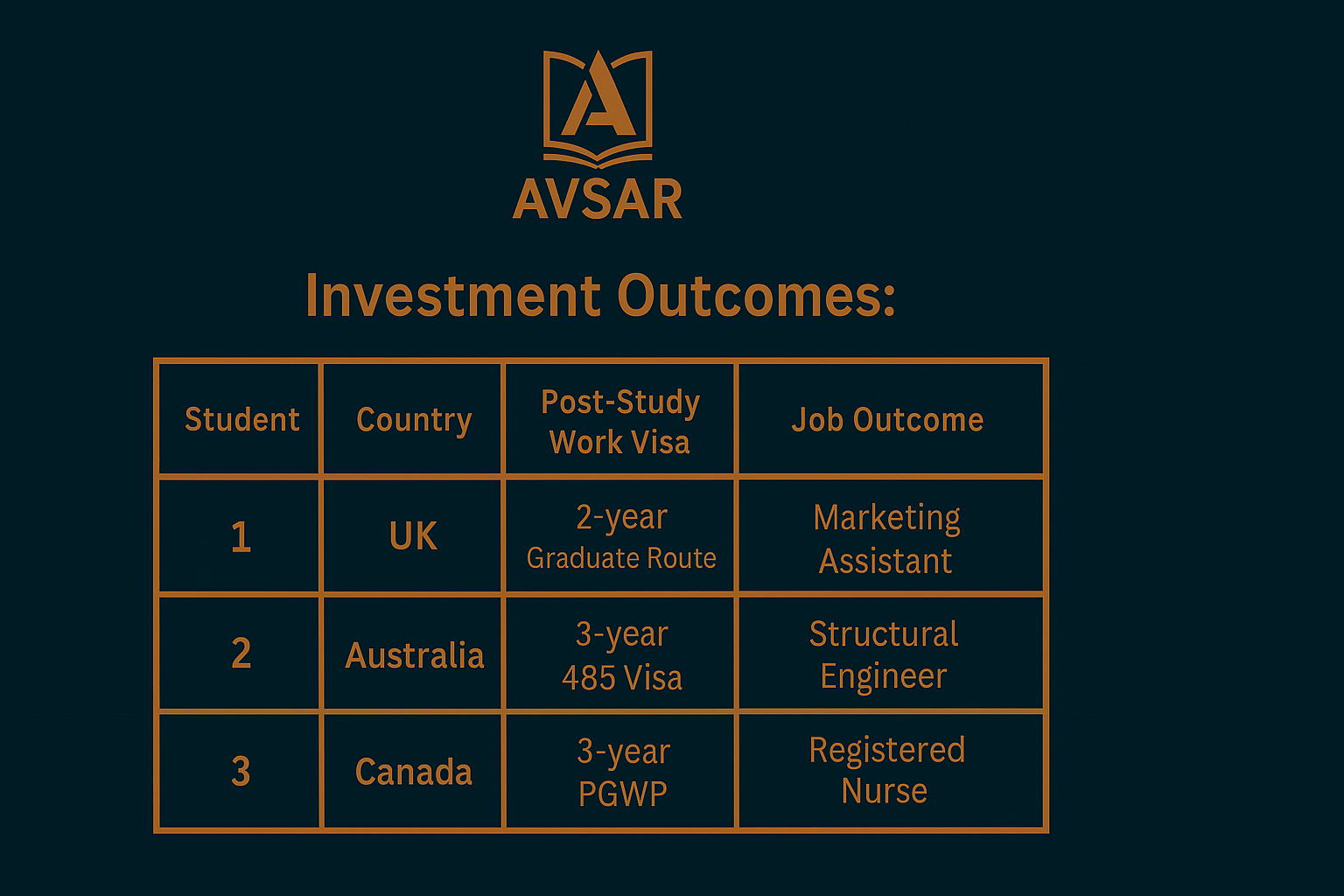
- Post-study work rights
You can also attend webinars, educational fairs, and counselling sessions together to get clarity from experts.
d) Cultural Readiness Mentor
Talk to your child about:
- Respecting different cultures and beliefs.
- Handling loneliness or homesickness.
- Being open to new experiences.
Encourage independence but be available when they need emotional anchoring.
e) Documentation & Logistics Support
Ensure your child has:
- Passport, academic documents, financial papers
- Visa application support
- Travel insurance, health checks, and accommodation sorted
You can help manage timelines, appointments, and document safety.
3. Common Mistakes Parents Should Avoid
While parents mean well, certain unintentional actions or decisions can create obstacles rather than support. Here are key mistakes many parents make—and how to avoid them:
a) Over-controlling the Decision-Making Process
Many parents choose the study destination, course, or even university without fully considering their child’s interests or aspirations. While your experience matters, forcing a decision can lead to resentment or poor academic outcomes.
What to do instead:
Act as a guide, not a commander. Let your child lead the conversation. Encourage exploration and independent research, then help evaluate their options with an open mind.
b) Starting Too Late
Waiting until the last moment to prepare documents, gather finances, or research visa requirements often leads to missed deadlines and increased stress.
What to do instead:
Start planning at least 12–18 months in advance. This gives enough time for test preparation (IELTS, PTE, etc.), scholarship applications, financial planning, and securing a visa without last-minute pressure.
c) Overlooking Emotional Preparation
While academic and logistical prep are front and center, parents often forget to emotionally prepare their child (and themselves) for the shift.
What to do instead:
Talk about challenges like loneliness, cultural adjustment, or failure. Help them build resilience, and prepare for being independent—emotionally and socially.
d) Assuming the Consultancy Will Handle Everything
While consultancies like Avsar Eduspark offer valuable guidance, full dependency on agents without understanding the process can create confusion, especially in emergencies.
What to do instead:
Stay involved in every step—from application and offer letters to GTE statements and visa interviews. Ask questions and understand what’s being done and why.
e) Ignoring the Importance of Budgeting
Covering tuition alone isn’t enough. Parents often overlook daily living costs, insurance, medical emergencies, travel, and unexpected expenses.
What to do instead:
Discuss a detailed monthly and annual budget with your child. Consider setting up an international bank account or providing access to emergency funds.
f) Not Giving Children Space to Grow
Some parents call too frequently or expect daily updates, unintentionally hampering their child’s independence.
What to do instead:
Build a communication schedule that allows your child to settle into their new life. Trust their judgment and let them handle small issues on their own before stepping in.
g) Avoiding Honest Conversations About Safety & Responsibility
Many parents skip important conversations around personal safety, part-time job boundaries, substance use, or legal issues abroad.
What to do instead:
Have open, non-judgmental discussions before departure. Discuss expectations around behavior, safety, and accountability.
4. How Parents Can Prepare Themselves
Supporting your child’s international education isn’t just about sending them away—it’s about equipping yourself with knowledge, tools, and a mindset shift.
a) Learn About the Education System and Culture
Each country has a unique academic structure, grading system, classroom culture, and student rights. Understanding these helps you set the right expectations and have meaningful conversations with your child.
What to do:
Attend webinars, watch YouTube videos from student vloggers, follow the embassy or government education pages, or speak with your consultant.
b) Plan Financially—Beyond Tuition
Be ready for:
- Tuition and enrollment fees
- Living costs (rent, food, transport)
- Travel and health insurance
- Visa application and renewal fees
- Emergency medical or legal expenses
What to do:
Create a financial roadmap with your child. Discuss saving options, international money transfers, part-time work laws, and emergency planning.
c) Build a Communication Strategy
Don’t expect your child to be available 24/7 after reaching abroad. Time zones, assignments, and part-time jobs will impact their availability.
What to do:
Set realistic expectations around communication. Weekly video calls or regular check-ins can maintain connection without causing stress.
d) Connect with Other Parents or Communities
You’re not alone—many parents have walked the same path. Joining parent forums or local communities (online or offline) can be a source of support and information.
What to do:
Look for Facebook groups, alumni parent networks, or local education meetups in your area.
e) Talk About Real-Life Scenarios
Discuss situations like:
- What to do in case of theft or medical emergencies
- Navigating part-time work issues
- Cultural misunderstandings or racism
- Academic pressure or failure
What to do:
Share your experiences, guide them through possible scenarios, and teach how to stay calm and solution-focused.
f) Prepare Emotionally for the Empty Nest
It’s natural to feel a void once your child leaves. Many parents struggle with loneliness or anxiety.
What to do:
Keep yourself engaged—take up a new hobby, volunteer, spend time with family or friends. Remember, your child’s success is a reflection of your courage and effort.
g) Keep Copies of All Important Documents
Always keep scanned and physical copies of your child’s:
- Passport and visa
- Offer letter and CoE
- Health insurance
- Academic transcripts and certificates
- Emergency contacts
What to do:
Store them securely—digitally (Google Drive/Dropbox) and physically—so you’re ready in case of an emergency.
Final Thoughts: A Journey You Take Together
Letting your child go to a foreign country is never easy. It takes courage, trust, and love. But remember—studying abroad is not about losing your child to another country; it’s about helping them find their future in the world.
At Avsar, we support not only students but also parents. Our team is here to guide your family through every step—because behind every confident student is a parent who believed in them.
“From home to the world, your presence in their journey makes all the difference.”